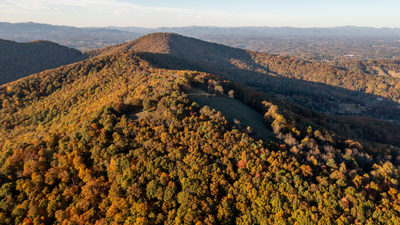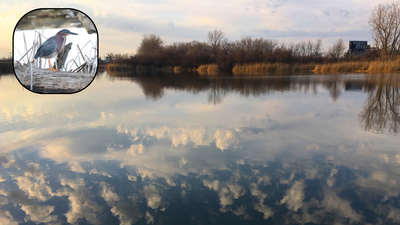

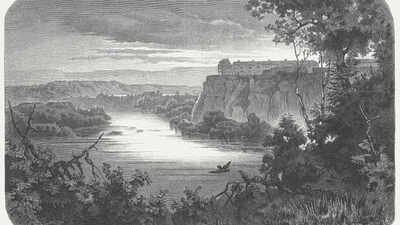
Half a century ago, a stretch of Minnesota river country faced a very different future. Plans for landfills and development threatened the Minnesota River bottoms, prompting local residents to push back against a transformation they believed would erase one of the region’s most valuable natural landscapes. Today, that fight has left behind an urban wilderness stretching for miles, giving wildlife a protected corridor surprisingly close to the Twin Cities, reports The Minnesota Star Tribune.
A half-century of protection
According to The Minnesota Star Tribune, the Minnesota Valley National Wildlife Refuge is marking 50 years since the land came under federal protection through the U.S. Fish and Wildlife Service. The refuge now spans more than 15,000 acres along roughly 50 miles of trails and river habitat, stretching from Bloomington to Henderson. Its forests, wetlands, grasslands and river bottoms provide space for birds, insects and other wildlife while giving residents access to nature in a heavily developed part of the state. A 50th anniversary celebration is planned for Sept. 26 at the refuge’s visitor center in Bloomington. The event will include a panel featuring current and former refuge managers, along with activities such as archery and a bird walk beginning at 8 a.m., adds the report. Conservation challenges remain part of the conversation and the anniversary panel will examine issues facing the Minnesota River Valley, including water quality, flooding and development along the river’s bluffs.
Monarchs make their seasonal journey
The anniversary comes as another natural spectacle unfolds across Minnesota. Monarch butterflies are currently moving through the state on their annual migration toward Mexico. From the North Shore to the Minnesota River Valley, large numbers of monarchs have been spotted, particularly around blazing stars, a late-summer favorite for the butterflies. People hoping to follow the migration can turn to the Project Monarch app and the citizen-science website Journey North, which track sightings and migration activity. Another chance to see the insects is coming Sept. 18, when Gooseberry Falls State Park hosts a Pollinator Party from 10 a.m. to noon. Recent sightings around Two Harbors included thousands of monarchs. The event will also highlight other pollinators and insects, including bumblebees, parasitic wasps and soldier beetles.
A new symbol for Minnesota parks
The state’s natural landscapes are also getting a chance to appear on the road. The Minnesota Department of Natural Resources is accepting designs for a new state parks license plate through Oct. 31. Entrants have been asked to incorporate the North Shore and Lake Superior agate, Minnesota’s official state gemstone, into their designs. Once submissions close, a panel will choose three finalists. For a state that has spent decades balancing development with conservation, the license plate contest offers a small reminder of how closely Minnesota’s identity remains tied to its parks, waterways and wild spaces.Image Courtesy: istock