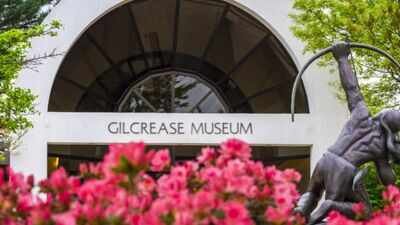

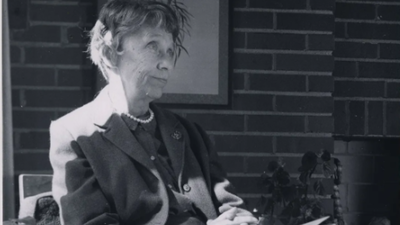
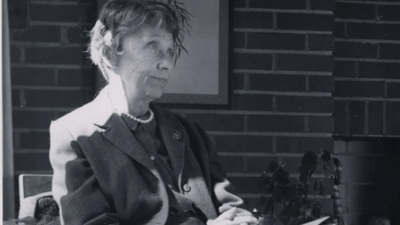
Sixty years ago, a house was reconstructed at Woodlawn, a National Trust-owned property outside of Washington, DC, after a historic and hard-fought battle to save it from destruction. Originally built in Falls Church, Virginia for Loren and Charlotte Pope, the 1,200-square-foot Frank Lloyd Wright home was under threat due to the construction of the new Interstate 66, but was saved by a historic hard-fought battle led by Marjorie Leighey, a 57-year-old widow, according to the National Trust for Historic Preservation. Today, thousands of guests visit the unique house, the only property designed by America’s greatest architect that is open to the public in the National Capital region.
A dream house
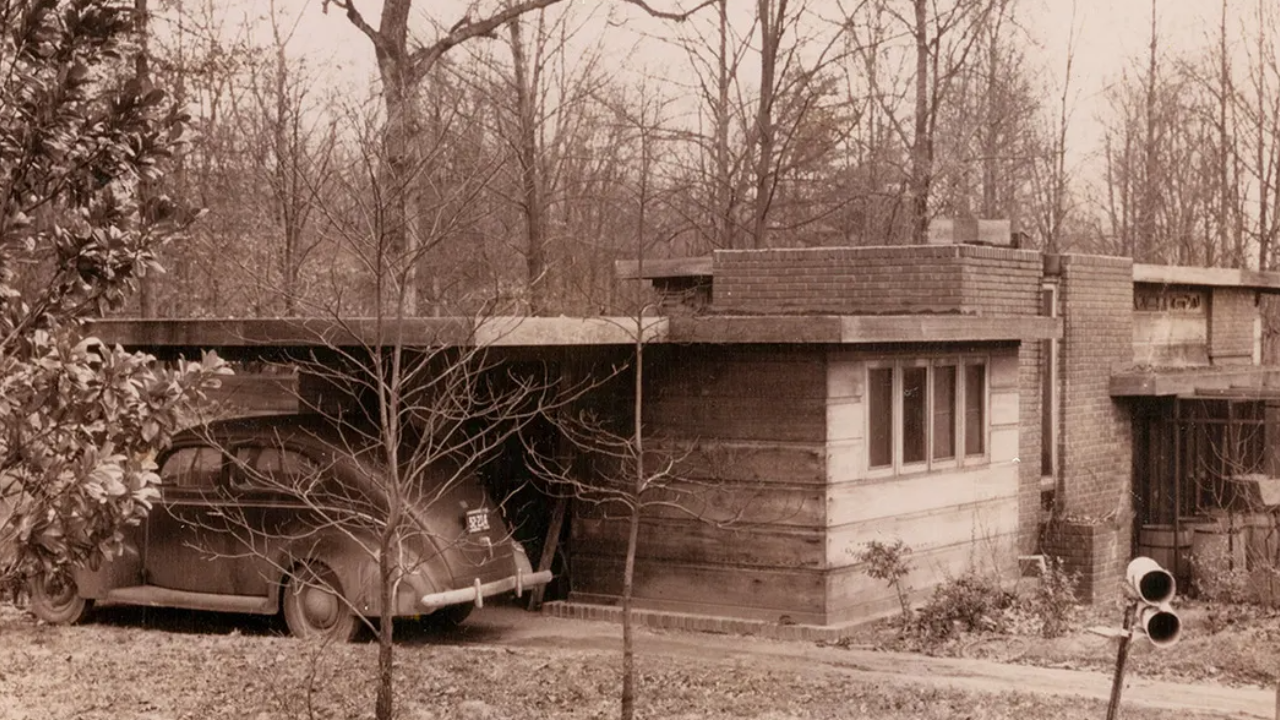
It was in 1939 that Loren Pope wrote to the architect Frank Lloyd Wright, begging him for a home for himself and his wife Charlotte
It was in 1939 that Loren Pope wrote to the architect Frank Lloyd Wright, begging him for a home for himself and his wife Charlotte. In response, Wright designed a house in his Usonian style- relatively small, built from everyday materials like wood and concrete and designed in harmony with natural surroundings.At the end of 1946, after living in the house for five years, the Popes put a for-sale ad in the papers and two weeks later, the house came to be owned by Robert and Marjorie Leighey. While Robert was the one who first fell in love with the house, his wife, Marjorie, remained sceptical.She was eventually won over by the way the home married the interior and exterior and as an avid gardener, she loved the way the house allowed her to see the surrounding landscape through a new lens. “From the time I was five, I can remember wanting a house that was right with the earth,” she later said. They built a shed outside for items that could not fit in the houseIn 1961, the couple learnt that the new Interstate Highway 66 would pass directly through the property they had lived in for the past 15 years. This meant the government planned to seize their land and demolish their house. But all the concerns were put on the back burner as Robert battled an illness that eventually led to his death on July 29, 1963.Two months after Robert died, Marjorie was officially notified by Virginia’s Department of Highways that the interstate was slated to be paved through her living room. Springing into action, she hired a lawyer to delay the government and recognising the abode’s cultural importance, asked help from Terry and Hamilton Morton, preservationists who worked for the National Trust for Historic Preservation. At the time, the preservation community tended to focus on saving much older properties, but Marjorie insisted that the 22-year-old house deserved the same protections as properties built 150 years earlier.“It does seem like at least part of her thought in wanting to save the house was also saving memories she has of her husband,” observed Elizabeth Reese, senior manager of public programs at Woodlawn and the Pope-Leighey House. “That demonstrates that for a lot of people, doing larger acts of public service comes from a very personal place.”
Saving a home
Along with Marjorie, preservationists, National Park Service employees, politicians and neighbours all came together to find a way to ensure that the Pope-Leighey House lived on. Recognising the value in gathering public support, Marjorie encouraged the press coverage, giving interviews that pressed for others to join her cause. “I’m not doing this for myself, but for architects, students, and people building their own homes,” she told the Virginia Sun in 1964. Loren Pope now begged the community to stop the destruction of an architectural treasure. In a letter to the editor of the Washington Post, he wrote that only a society with a “barbarian set of values…could even entertain a proposal to let a road threaten [a Wright house].”One of the people inspired by Marjorie’s determination was Secretary of the Interior Stewart Udall. It was he and Marjorie, along with preservationists from the National Park Service and the National Trust for Historic Preservation, who finally devised a plan for saving the Pope-Leighy House.The group quickly realised that while the I-66 plans could not change, the house itself could be moved. After being offered various options, Marjorie chose Woodlawn as its new location, in part because the landscape reminded her of Falls Church. Brick by brick, the house was carefully demolished, transported, and rebuilt on the National Trust property, where Marjorie lived in it until her death. The near-loss of the Pope-Leighey House was one of many efforts that inspired Udall and preservationists across the country to pursue a national law to preserve historic buildings. Thanks in part to his and Marjorie’s efforts, President Johnson signed the National Historic Preservation Act in 1966.
A lasting legacy
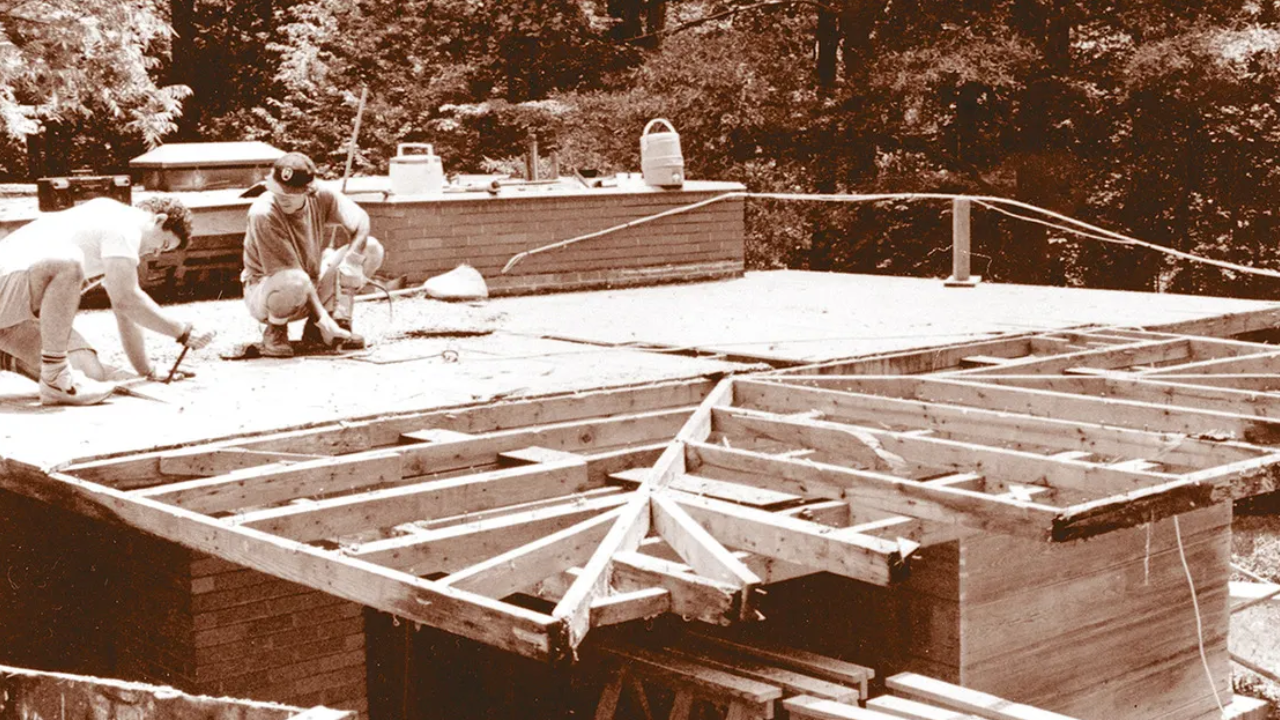
The home was dismantled, moved, and reconstructed 13 miles away from Falls Church to Alexandria.
After fighting for so long to ensure the survival of her home, Marjorie moved to Kyoto, Japan, to become an Episcopal missionary in September 1964, and did not witness the dismantling, move, and reconstruction of her house 13 miles away from Falls Church to Alexandria.Just seven years later, the house was listed on the National Register. Marjorie moved back to the country and to her home in 1969. She continued to live in it until her death, and welcomed the many visitors who came to see not only the house, but the woman who saved it.Thanks to Marjorie Leighey’s efforts and the tools instituted by the National Historic Preservation Act, dozens of sites of cultural and historical significance have been saved, both by individuals and government entities. “She was an accidental preservationist,” Reese said. “Hopefully, when people visit this exhibit, [they ask themselves], ‘what kinds of personal things can I do that might make a larger impact?’ “