
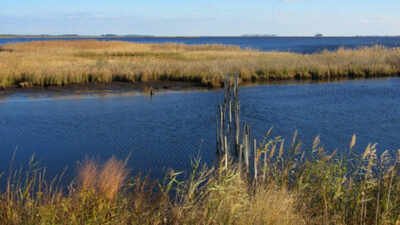
In 1954, aviation pioneer Glenn L. Martin donated over 2,500 acres of his Chesapeake Bay hunting preserve; today the refuge spans 4,548 acres and protects migratory birds

In 1954, aviation pioneer Glenn L. Martin donated over 2,500 acres of his Chesapeake Bay hunting preserve; today the refuge spans 4,548 acres and protects migratory birds

Chesapeake Bay (Image Credit: iStock) A piece of Chesapeake Bay marshland that once formed part of an aviation pioneer’s private hunting preserve has become an important refuge for wildlife. What began as a donation of thousands of acres more than seven decades ago now protects tidal marshes, creeks, coves and wooded ridges used by migratory…
Read More
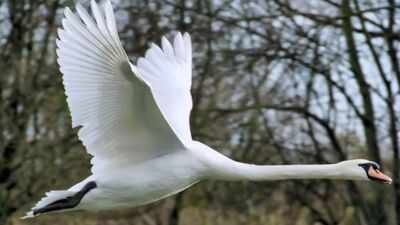
In 1962, five pet mute swans escaped in Maryland; within four decades their descendants neared 4,000 and were eating 10.5 million pounds of Chesapeake Bay grasses a year

In 1962, five pet mute swans escaped in Maryland; within four decades their descendants neared 4,000 and were eating 10.5 million pounds of Chesapeake Bay grasses a year

The exotic mute swan has increased its population size in Chesapeake Bay to approximately 4,500 since 1962. In 1962, five mute swans escaped from an estate in Talbot County, Maryland. More than four decades later, their descendants had grown to nearly 4,000 in the Chesapeake Bay region. As their numbers rose across the Chesapeake Bay…

Read More
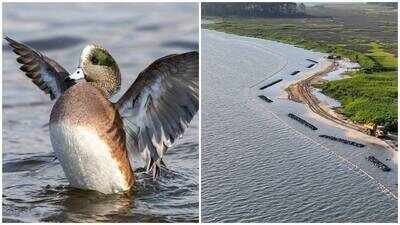
In 2025, Virginia spent $8 million rebuilding 1.09 miles of Ragged Island shoreline; the project created 2.6 acres of new marsh and 2.2 acres of oyster reef while cutting hundreds of tons of sediment entering Chesapeake Bay

In 2025, Virginia spent $8 million rebuilding 1.09 miles of Ragged Island shoreline; the project created 2.6 acres of new marsh and 2.2 acres of oyster reef while cutting hundreds of tons of sediment entering Chesapeake Bay

Virginia’s Ragged Island restoration is creating new marsh and oyster habitat while reducing sediment entering Chesapeake Bay. Virginia has completed a major shoreline restoration project on Ragged Island, helping rebuild wetlands and oyster habitat while reducing the amount of sediment and nutrients entering the Chesapeake Bay.The project, funded with $8 million from NOAA Fisheries’ Office…

Read More