

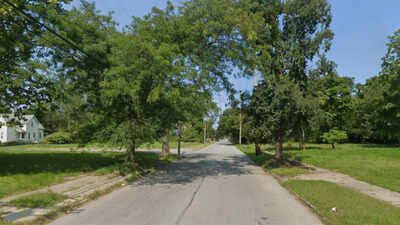
A Cleveland district fell from nearly 100,000 residents in the 1960s to fewer than 20,000, leaving blocks looking like countryside; a new plan now aims to build 200 homes and could generate up to $182 million for streets, parks and sewers
Parts of the East Side look rural, with the loss of population creating what it called an “urban prairie” A Cleveland district that once had nearly 100,000 residents in the 1960s now has fewer than 20,000, leaving large areas with open green space that can resemble the countryside. The city is now trying to reverse…