

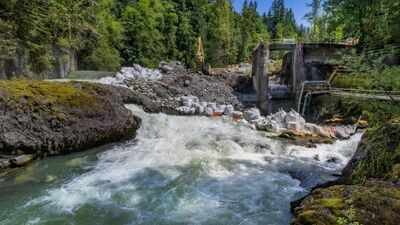
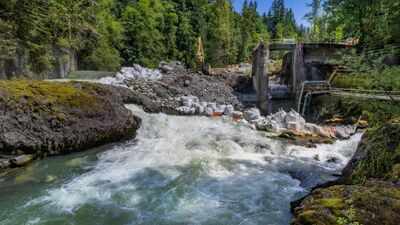
The United States removed 100 dams across 30 states in 2025, reconnecting more than 4,893 miles of rivers, according to a report by the organisation American Rivers. The organisation said it was the largest number of upstream river miles reconnected through dam removal in a single year in the US.The removal of these dams has allowed water to flow freely again in places where rivers had been blocked for decades, and in some cases, for centuries. The work is also helping restore access to habitats used by fish and other wildlife.Pennsylvania removed the highest number of dams in the US in 2025, with 14 structures taken out. The state now has 433 documented dam removals since 1912.Other states in the Northeast also recorded significant numbers. Massachusetts removed 11 dams in 2025, while Vermont removed nine. Flooding in both states has highlighted the need to address failing dams and undersized road-stream crossings.
Why are old dams being removed?
Many dams in the US are no longer serving the purpose for which they were originally built. The country has more than 500,000 dams in its national inventory, and many are no longer generating power, supplying water or serving another practical purpose. At the same time, they can affect river ecosystems and public safety.Dams can change the way rivers naturally flow. When a dam blocks a river, it can prevent fish from reaching spawning areas upstream. Water held behind dams can also become warmer and more stagnant. Additionally, some ageing can also create safety risks and increase flooding concerns during storms.Ecology was the most commonly cited reason for dam removal in 2025. It was given as a reason for 59 of the 100 projects completed during the year. Dilapidated or failing structures were the second most common reason, with 37 projects. Safety concerns were cited in 20 projects.The effects can begin soon after a dam is removed. The report said bugs can return within days, while native fish can reach sections of rivers they had been unable to access for generations within weeks.
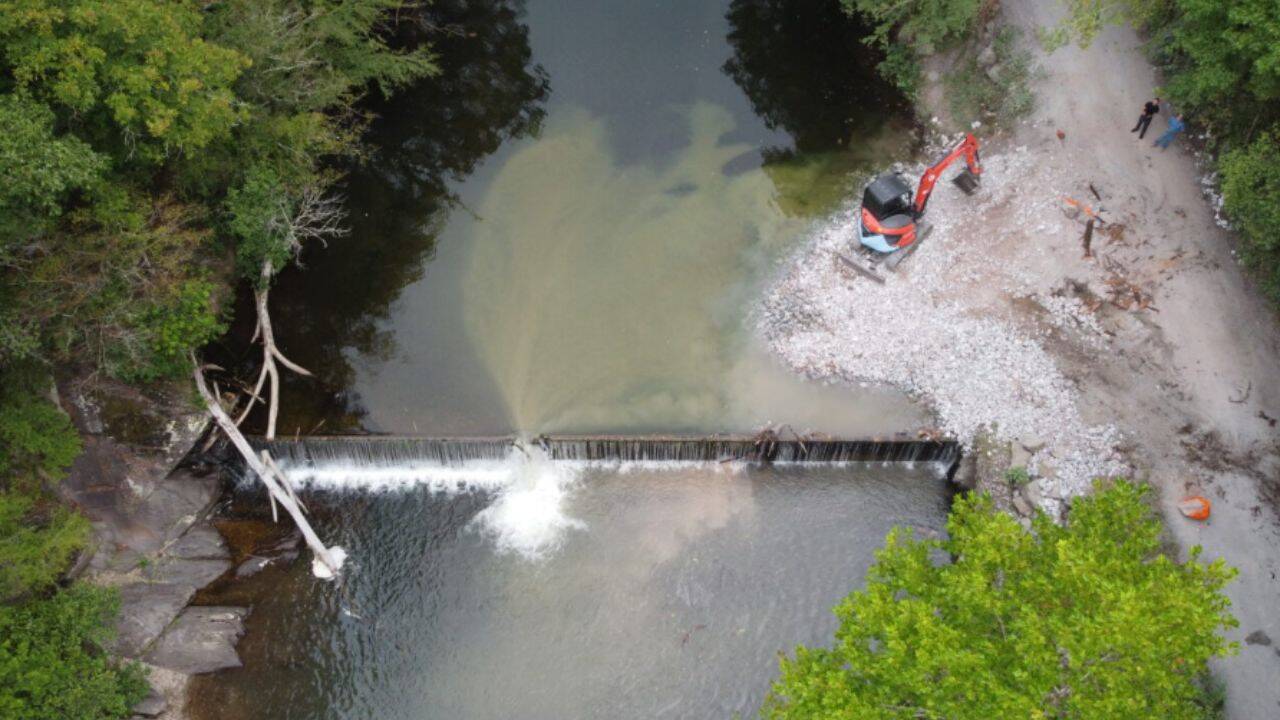
Lower Citico Dam removal, Citico Creek, Tennessee
Restoring wildlife habitat
Some of the projects completed in 2025 show how removing a single structure can reconnect large parts of a river system. In Iowa, the Forest City Dam was removed from the Winnebago River. The project reconnected 99 upstream miles for fish passage and opened wetland spawning habitat for northern pike. It also reduced flood risk to a local park.In Delaware, the historic DuPont Experimental Station Dam on the Brandywine River was removed as part of a wider effort involving multiple dams. A previous dam removal upstream in 2019 had already helped change the river. After that project, American shad were seen spawning in the Brandywine in Wilmington for the first time in more than 100 years.The return of the fish showed how river restoration can affect species that had been unable to reach parts of their former habitat for generations.In Virginia, the Georges Mill Dam was removed from the South Mayo River. Seven people had drowned at the site over the years. Removing the dam improved passage for the endangered orangefin madtom and also removed a site that had become a serious safety hazard.Another major project took place in Maine. The removal of Mill Pond Dam on the Sabattus River was part of a wider effort to open access to 2,429 acres of spawning habitat and 75 miles of stream for sea-run fish.The area could support an annual run of more than one million adult alewives. The fish are an important food source for wildlife, including eagles and whales.
Cultural importance
Dam removal projects are also connected to the cultural practices of Indigenous communities in some places. In California, the Jenny Creek Diversion Dam near the Klamath River was removed by Trout Unlimited and the state Department of Fish and Wildlife. The Yurok Tribe and Shasta Indian Nation also took part in the cleanup and cultural monitoring.A similar restoration effort took place in Utah’s Zion National Park, where the Temple of Sinawava Dam was removed. The project was part of an effort to restore the Virgin River, which is a Wild and Scenic River.American Rivers said the 2025 projects also showed the role of local communities, government agencies, conservation groups and Tribal Nations in restoring rivers. It now wants to build on the progress made in 2025 and its target is to remove 30,000 dams by 2050.